A global industry
Reporting and critical analysis
The narrative power of fashion journalism in shaping culture
It chronicles creation, documents societal shifts, and translates the visual language of clothing for a global audience.
01
Runway and collection analysis
Trend forecasting
Decoding the spectacle of fashion weeks
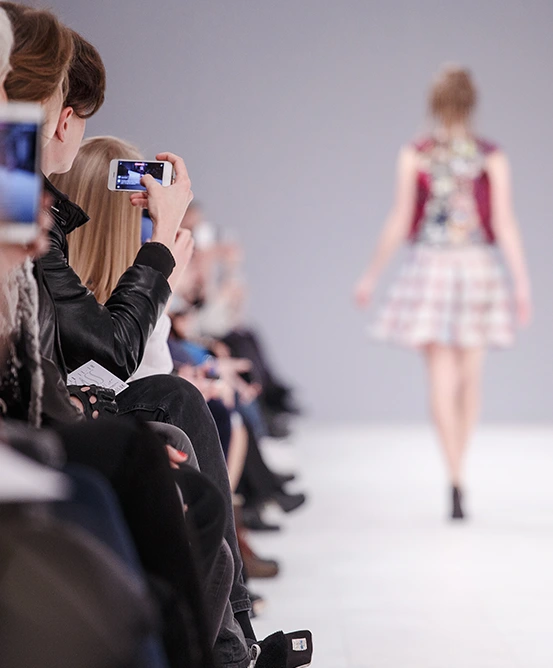
From New York to Paris, the runway is a stage where journalists dissect every look. A reporter’s role is to capture the collection’s core message, noting fabric choices, silhouette evolution, and the overall mood. This initial critique forms the basis of seasonal reports and industry-wide analysis.
Beyond the clothes, a journalist documents the entire production: the set design, the soundtrack, and the front-row guests. These elements create a contextual narrative that helps audiences understand the designer’s complete vision. It’s a task that combines acute observation with rapid, insightful storytelling to meet demanding publication deadlines.
Runway critiques
Identifying and analyzing emergent styles
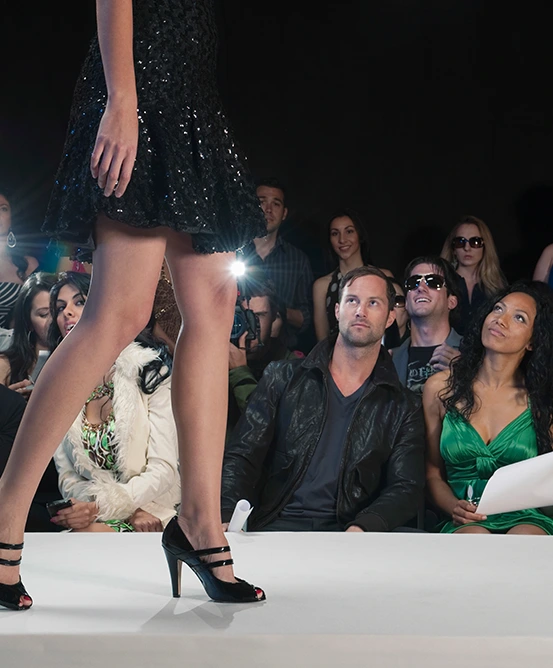
Forecasting what comes next is a central function of this field. Analysts synthesize data from catwalks, trade shows, and street style to identify nascent patterns. This involves tracking shifts in color palettes, textile innovations, and recurring motifs that signal a new aesthetic direction for the upcoming season.
A well-written trend report goes beyond simple lists, providing a cultural context for why a particular style is gaining traction. It connects fashion movements to broader social currents, art, and technology. This analytical depth differentiates professional journalism from mere observation, offering readers a richer understanding of clothing’s evolution.
02
Seasonal style forecasting
Aesthetic shifts
The stories behind designers and houses
Journalists delve into the world of creative directors and historic maisons, offering profiles that go beyond the collections. They explore the brand’s heritage, its business strategy, and the personal philosophy of its leadership. This storytelling humanizes the industry, connecting the garments to the people and the legacy behind them.


Profiling a creative director
An in-depth interview exploring their vision and creative process


Documenting brand heritage
Tracing the evolution of a fashion house through its archives.

Analyzing business models
Examining how a luxury brand navigates the contemporary market.
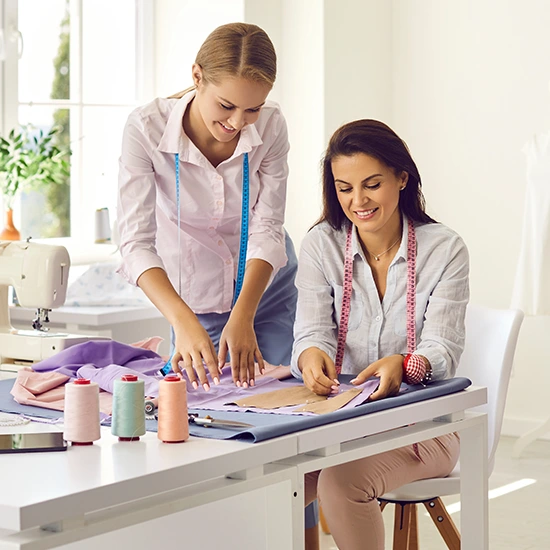

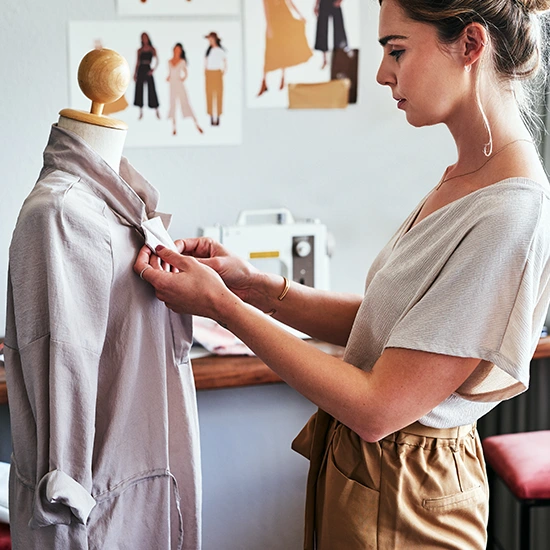
Covering atelier craftsmanship
A report on the skilled artisans behind a couture collection.
Brand narratives
Fashion’s reflection of societal values
Clothing often serves as a powerful form of social commentary. Journalists analyze how apparel choices reflect identity, politics, and cultural shifts, turning fashion into a lens for understanding the world.
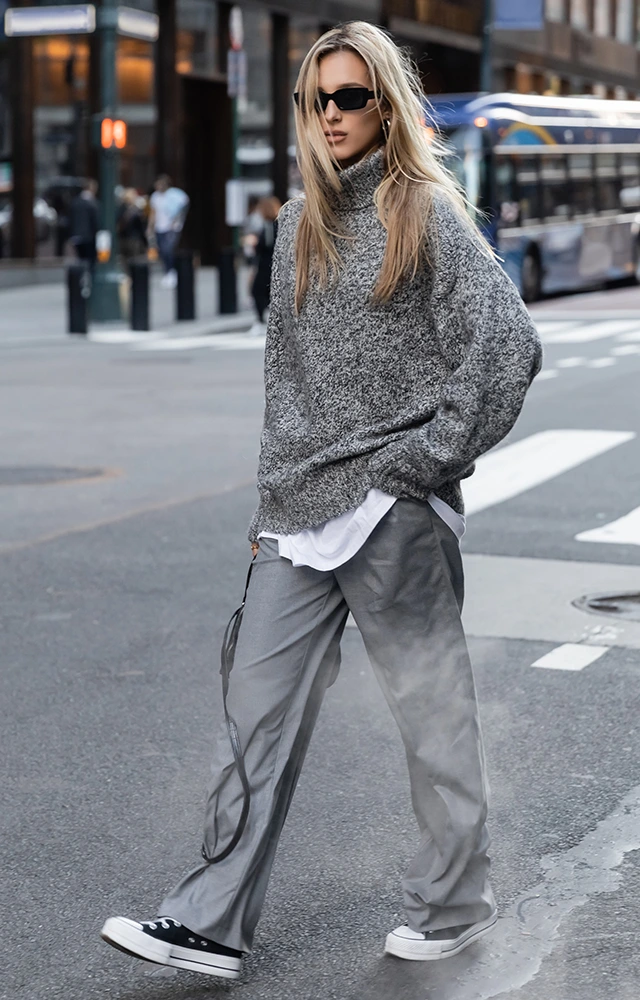
Cultural discourse
Sustainability and ethical production
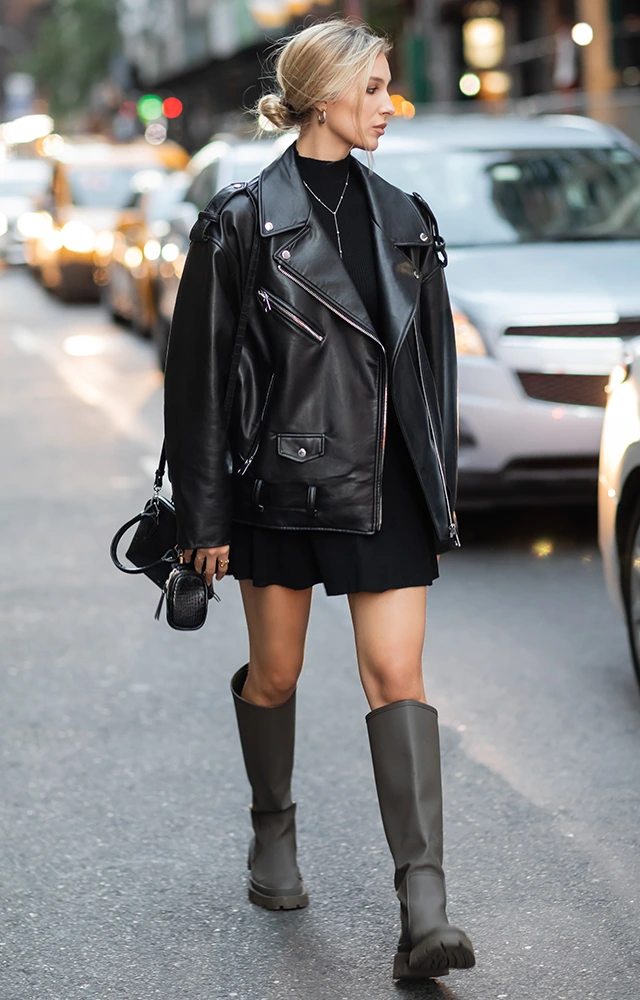
Conscious consumerism
Inclusivity and body representation
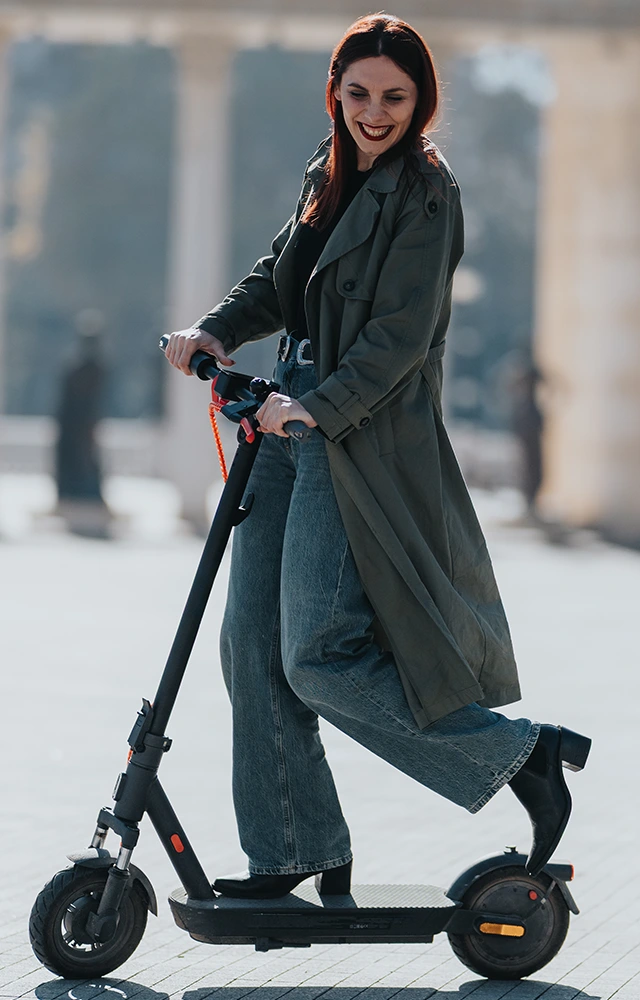
Diverse casting
The intersection of technology and dress
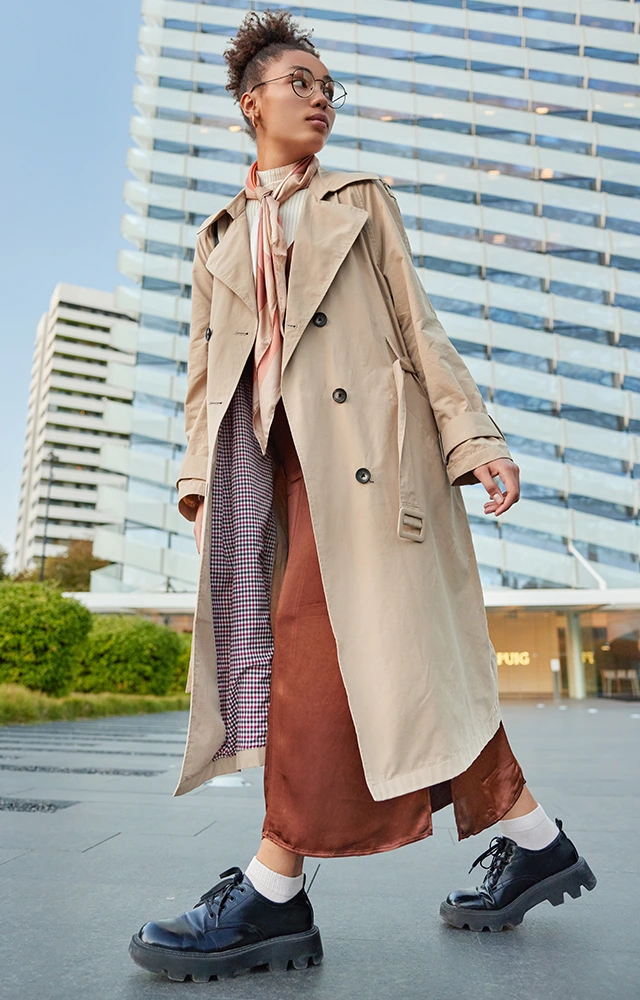
Wearable tech
The influence of subcultures on style
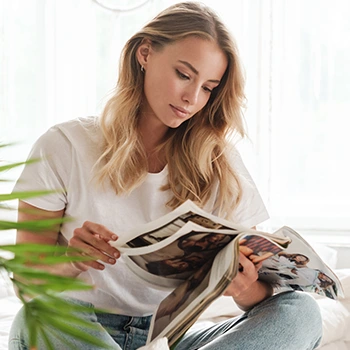
The connection between beauty and fashion
Makeup and hair are integral to a runway look.
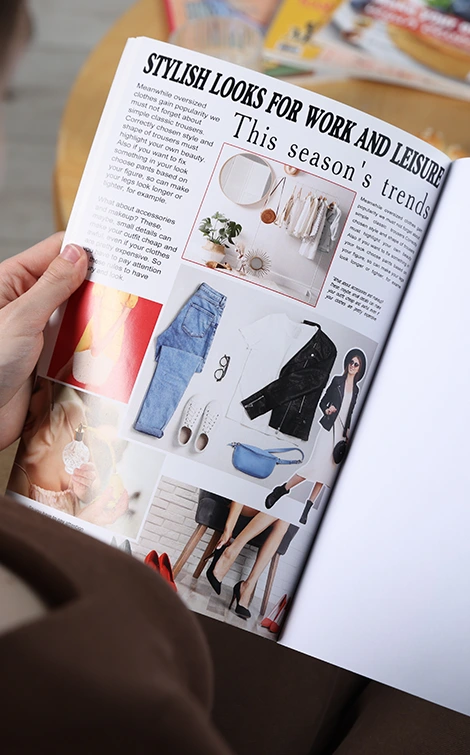
Aesthetic harmony
Curating products for editorial features
An editor’s selection, or ‘pick’, provides readers with curated guidance. This process involves identifying key pieces from collections that are commercially viable and stylistically significant. The journalist’s expertise is used to create compelling shopping guides that align with current trends while maintaining a unique editorial perspective.
Photo shoots and lookbooks are essential tools for this task. A stylist and editor collaborate to present items in an aspirational context, telling a story through carefully chosen garments and accessories. This visual merchandising in print or digital form inspires readers and drives consumer interest without resorting to direct advertisement.
Curated selections
The art of street style photography
Outside the official venues, a different kind of fashion narrative unfolds on the pavement. Photographers hunt for authentic, personal expressions of style among attendees. These candid shots often capture emerging trends before they hit the mainstream, providing a real-world counterpoint to the curated runway environment.
This form of photojournalism values individuality and creativity in everyday dress. It has become a powerful genre in its own right, influencing designers and consumers alike. The resulting images are published in online galleries and print spreads, celebrating the diverse ways people interpret and wear fashion.
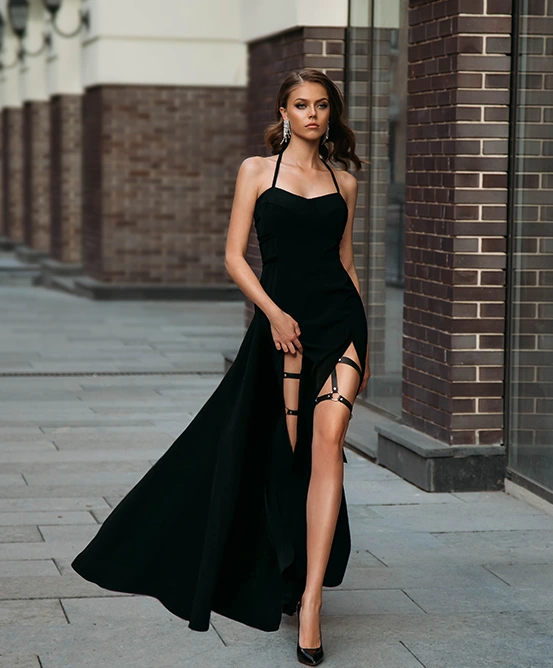
Candid moments
The evolving ethics of fashion reporting
As the media landscape shifts, the responsibilities of the fashion journalist are also changing. The focus increasingly includes critical examination of the industry’s practices and its global impact.